Landing pages that withstand expensive traffic: CRO without manipulation




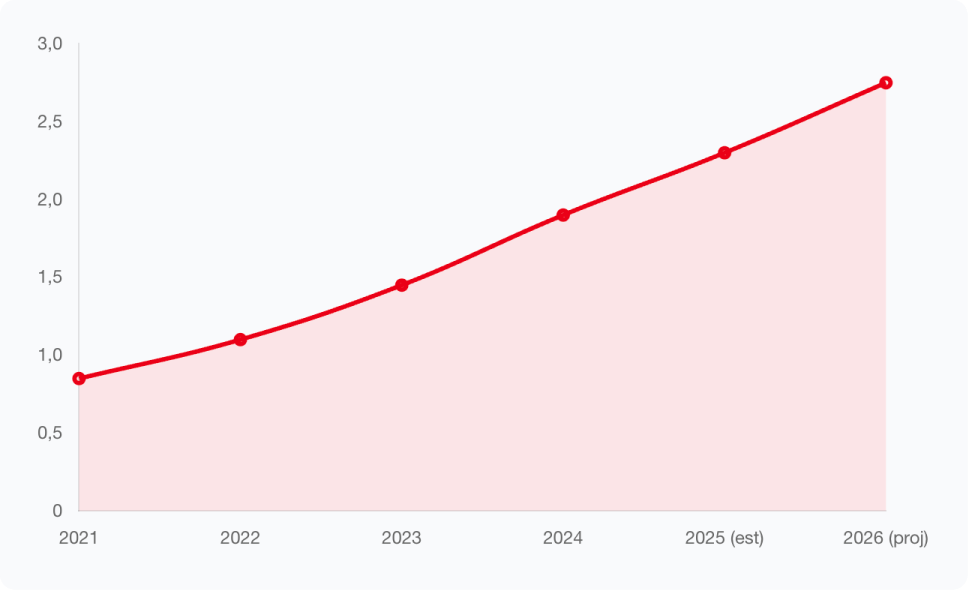
Traffic is getting more expensive every year. According to IAB Ukraine, in 2025, the paid search market grew by 25%, and media advertising by another 19%. Every click costs more and more, so the page it leads to is no longer just a "detail." CRO (conversion rate optimization) is not about "making a button green"—it is about ensuring that an expensive visitor doesn't leave empty-handed.
Why Expensive Traffic Does Not Forgive Weak Pages
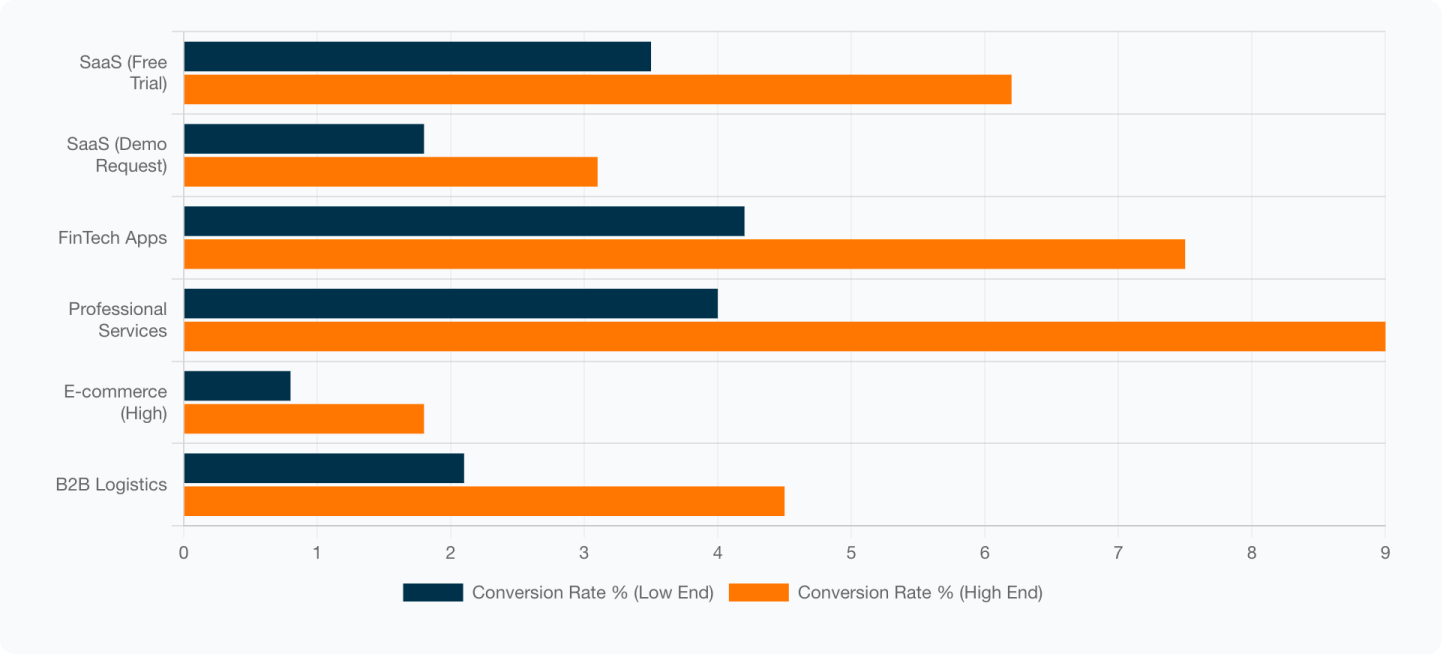
Simple math. You spent UAH 50,000 on advertising and brought in 2,500 visitors. If the page converts at 1%, you get 25 customers—costing UAH 2,000 each. Raise the conversion rate to 2%, and the cost per customer drops to UAH 1,000. No media buyer can cut traffic costs in half in a week, but a landing page can.
Where Traffic Is Actually Lost
Most losses occur before a person even reads the first sentence. The first reason is the message mismatch. A user clicks on an ad promising a "30% discount on the first order" but lands on a page with the headline "We are a full-cycle agency." The promise vanishes—the tab is closed. This is all about message match: the page must continue the ad's train of thought using the exact same terms. In a documented case study by Moz, simply aligning these messages boosted conversions by more than double.
The second reason is speed. According to widespread estimates, over half of mobile users leave if a page takes longer than three seconds to load. Google measures this using Core Web Vitals—the speed of main content appearance, visual stability, and interface responsiveness. Only about half of the world's mobile websites pass these metrics.
A Converting Page—Free of "Dark Patterns"
The temptation to squeeze out conversions using tricks is high: fake countdown timers, hidden subscriptions, or a "cancel" button hidden under a magnifying glass. These are dark patterns, and in 2026 they became not just an ethical issue, but a legal risk—in the US and EU, manipulative design is already facing regulatory pressure. However, the root problem runs deeper: leads caught through deception result in refunds, unsubscribes, and bad reviews. Manipulation is a loan at a staggering interest rate.
Honest levers are more reliable. The interface must respond to user actions instantly. The form should ask for the bare minimum—shorter forms convert better than long ones, and a few simple steps are better than one endless scroll.
Ukrainian Specifics Missing from Western Checklists
Global advice needs to be adjusted here. The primary factor is the attitude toward prepayment. The Ukrainian buyer is cautious: a page requiring 100% upfront card payment often loses to one offering cash on delivery via Nova Poshta. This impacts conversions much more heavily than any button color.
Second, mobile rules almost everything: in the Meta ecosystem, over 90% of ad budgets go toward smartphones, and the number of active mobile connections in Ukraine equals 140% of the population. Everything happens on a small screen, often under unstable connectivity and during power outages. Third, trust: clear contacts, authentic reviews, and transparent shipping info carry more weight than loud claims.
What to Test When Traffic Is Low
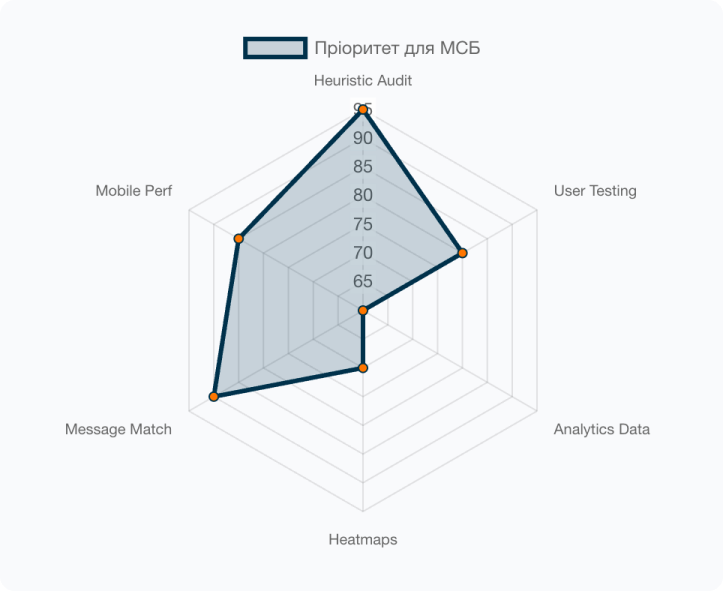
The "run A/B tests" advice often fails for small businesses: for a test to be statistically valid, you need thousands of visitors for each variant. Based on an analysis of over 28,000 experiments, only about one in five reaches statistical significance, while nearly 80% end in nothing. Here is what works instead:
Leave A/B testing for radical changes, where the difference is noticeable even on a small sample size.
Traffic or Page: Where to Look for the Problem
If people bounce instantly within the first few seconds, but the page loads fast, the traffic is to blame: either a message mismatch or the wrong audience. If visitors read, scroll down to the pricing, but take no action, the problem lies within the page: lack of trust, weak copy, or excessive friction in the form.
Systematically eliminating these barriers is a distinct craft: a landing page that consistently withstands expensive traffic does not come from a single good design, but from ongoing work with data, copy, and structure. This is exactly what landing page development at MAS Agency is built upon: pages engineered for conversion right from the start, rather than just "to look pretty."
Sources: Ukrainian market data — IAB Ukraine (digital ad market volume estimate for 2025) and DataReportal (Digital 2026: Ukraine); message match case study — Moz blog; A/B testing statistics — Convert analysis; regulatory context — US Eighth Circuit Court of Appeals ruling on the FTC "Click-to-Cancel" rule and the European Commission's Work Programme on the Digital Fairness Act.