A Politician's Digital Presence: Social Media Between Elections and During Campaigns



Why Presence Is Built Between Elections, Not a Month Before Them
Because the law, platform algorithms, and generative search engines all work with history, not intention.
Legally, election campaigning "comes to life" only with the start of the electoral process. Following numerous amendments, the Law "On Advertising" no longer contains the term "political advertising" at all, while the Election Code operates with the phrase "election campaigning". The Institute of Mass Information calls this the inter-election vacuum: political content appears in feeds daily, but legally it does not exist. IMI's 2026 monitoring recorded 170 materials with signs of paid placement across 28 popular online media outlets, and 16.2% of them were political—mostly unlabelled.
Algorithms arrive at the same conclusion from a different angle. After a long pause, a profile returns to the feed effectively from a cold start, taking weeks to recover, while the gap between the number of followers and the number of engagements is read by system algorithms as a sign of inflated metrics.
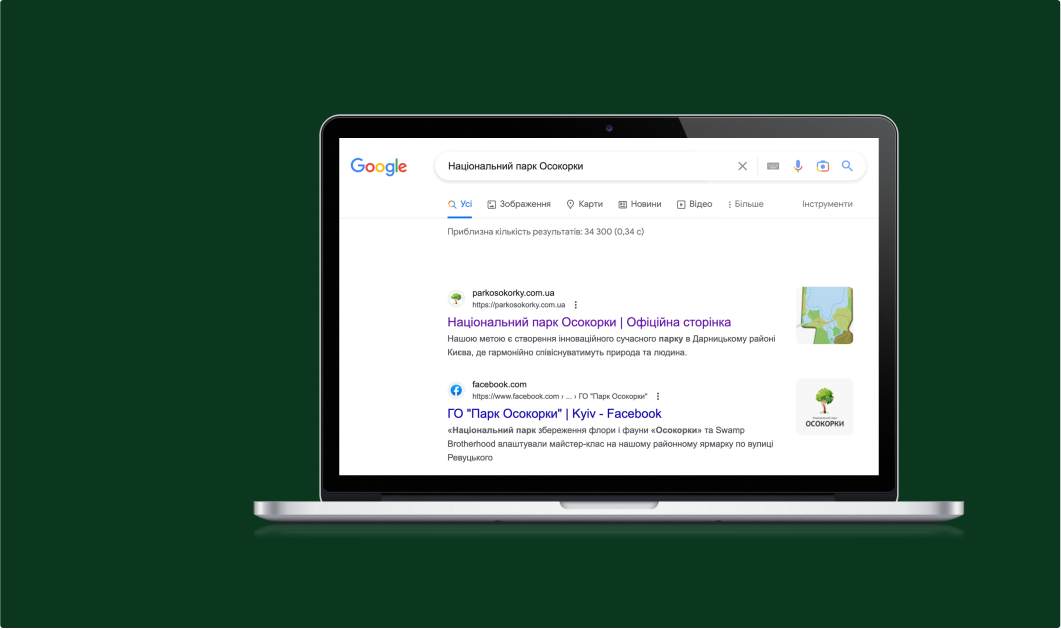
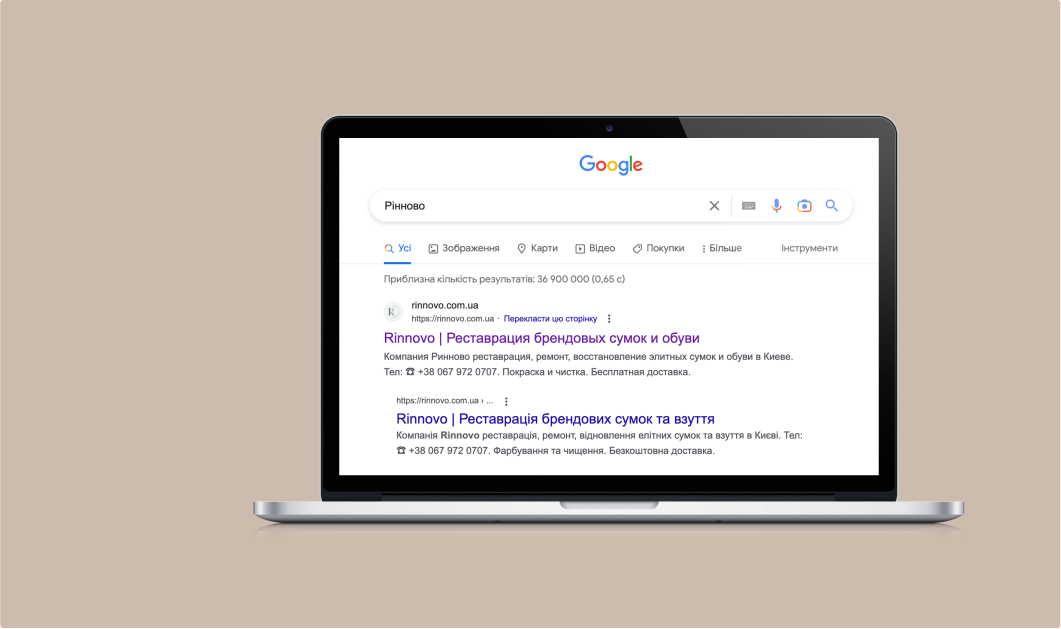
A third argument emerged after 2023. Voters increasingly receive information about a person not as a list of links, but as a generated text response from an AI assistant. The model compiles this from what has already been indexed: the official website, media mentions, reference resources, and registers. A page created a month before voting fails to fit into this picture—and the response is formed from what others have written about the person.

What Has Changed in the Audience Since 2022
According to the Digital Ukraine report at the end of 2025, TikTok's advertising audience in Ukraine reached 19 million compared to 10.55 million in February 2022; LinkedIn grew from 3.6 million to 6.3 million, whereas YouTube shrank from 28 to 23 million, Instagram from 16.1 to 12.6 million, and Facebook from 15.45 to 14.2 million.
Hence the distribution of roles: YouTube is for long-form arguments and program interviews; Facebook is for the disciplined core of an older audience along with journalists and regional opinion leaders; TikTok offers brand awareness provided a different tone is used rather than broadcast cuts; LinkedIn serves international and expert communication.
Telegram stands apart: according to an Ipsos survey in November 2025, 62% of Ukrainians named it their primary news source. Yet here lies the channel's main paradox: Telegram's advertising rules explicitly prohibit promoting political campaigns, elections, parties, and candidates. The country's largest news channel by audience turns out to be the poorest in terms of legal tools: only organic growth and sponsored posts in network channels remain, where labelling requirements are systematically ignored and the risk is borne by the client.

Platform Rules: Why the EU and Ukraine Play by Different Rulesets
For clients in the European Union, paid political advertising no longer exists: ahead of the TTPA regulation taking effect in October 2025, Meta and Google stopped serving political, election, and social ads in the EU, while YouTube halted political promos as early as September 23.
In Ukraine, advertising is permitted, but Meta requires identity and address verification from advertisers, a disclaimer specifying the funding source, and stores ads in its Ad Library. However, in Ukrainian disclaimers, advertiser details are hidden behind a generic "paid for by advertiser in Ukraine"—transparency here works less effectively than generally believed. Starting from June 2026, Meta also automatically labels content generated or modified by AI tools.

Information vs. Campaigning: The Boundary Under Martial Law
The Law on the Legal Regime of Martial Law grants military authorities the right to restrict the dissemination of information that threatens national security, and the practical boundary runs along specific topics: sensitive defense sector details, strike consequences, and troop movements cannot be used to build public awareness. The reverse side is AI-generated content targeting opponents: distributing a person's image without their consent violates Article 308 of the Civil Code and provides grounds to demand takedowns and compensation.
Microtargeting based on political views in Ukraine is completely unregulated—unlike in the EU, where regulations prohibit using sensitive data for this purpose and mandate platforms to upload all political ads to a single public repository. This gap will eventually close, so planning should align with European standards.

Team or Solo
In our experience working with political and public-sector teams, the highest cost comes not from a lack of ideas, but from the absence of a system: accounts are managed by different people without a unified framework, and posts appear only around news triggers. That is why the trainings we conduct for representatives of civil society organizations and local self-government bodies begin with role allocation, not a content plan.
Typical advice from industry guides is to increase posting frequency. We do not do that. First, we check what search engines and AI assistants return for a person's name and whether that output includes a source managed by the team itself: without an owned, updated website, any volume of posts works toward someone else's version of the biography. Next comes the factual foundation: biography, key positions, and activities formulated so they can be quoted without distortion. Only then comes consistency across channels tailored to specific target segments.
Building a presence between elections is not about "posting more often," but establishing years of accumulated foundation for algorithms and generative systems to display your version of the facts. Building this a month before a campaign is impossible, and this long-term approach is precisely what MAS Agency's political communications strategy and image service is designed for.
Sources: The analysis relies on the DataReportal Digital Ukraine report on social media audiences, an Ipsos survey on news sources, monitoring and legal analysis by the Institute of Mass Information regarding political ad regulation, official Meta, Google, and Telegram rules on political advertising, as well as provisions of the Election Code, the Law on the Legal Regime of Martial Law, and the Civil Code of Ukraine.