Creator Marketing as a Systemic Channel, Not a One-Off Integration




Most business owners still view collaboration with bloggers as a one-off action: pay for a post, get a spike in reach, and forget about it. This approach almost always disappoints—the effect lasts only as long as the post stays in the feed. In 2026, those who integrate creators into their marketing as a standalone channel that simultaneously drives awareness, sales, and content are the ones who win.
A Creator Is Not the Same as an Influencer
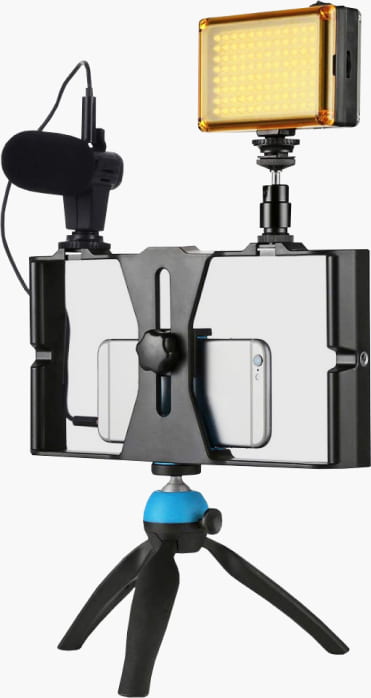
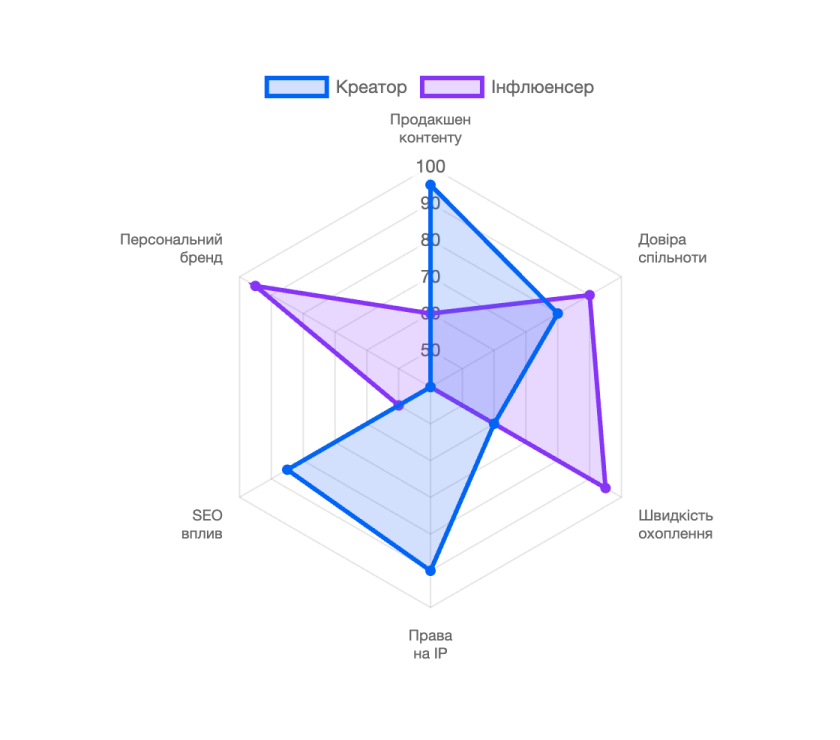
A classic influencer sells access to their audience: you pay for reach and a short spike of attention. A creator (content creator) is more like a mini-production unit: a person who knows how to shoot, edit, and tell stories in a narrow niche. They might have a modest audience, but they provide you with the main asset—high-quality content that you can legally use further: in targeted advertising, newsletters, or on product cards.
The difference is fundamental for your budget. With an influencer, you pay for followers. With a creator, you pay for skills, ideas, and content rights that will live for months. This is exactly why creator marketing is shifting from an expense to an asset.
Why Nano- and Micro-Creators Work Better
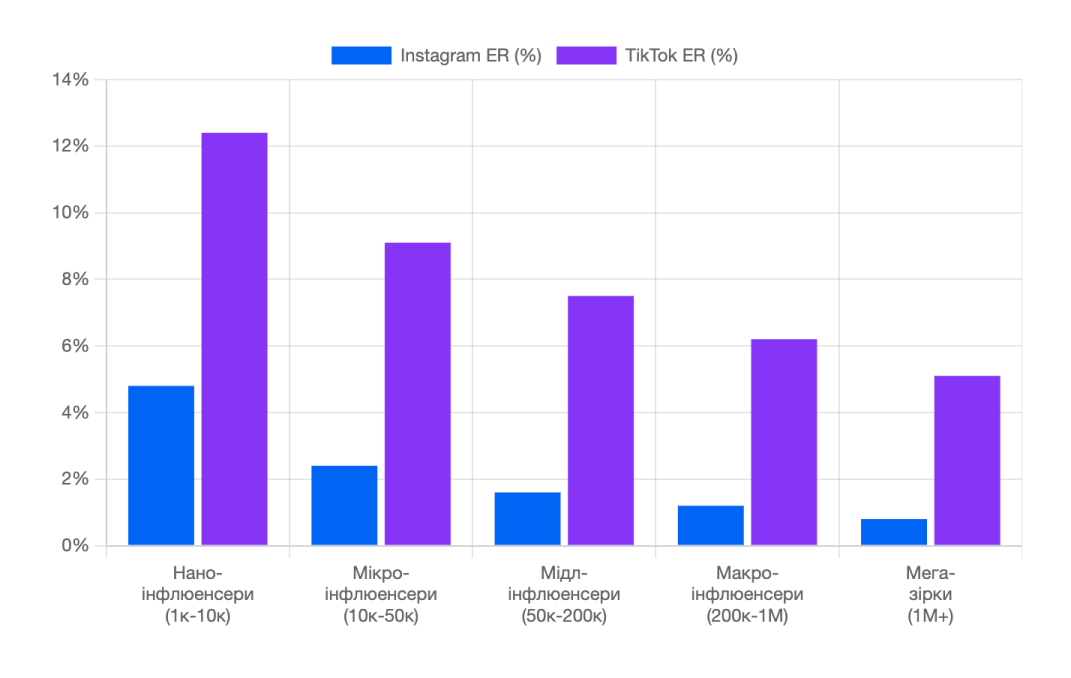
Betting on a "star with millions of followers" is the most expensive and far from the most effective strategy. The larger the audience, the lower the engagement. According to the analytical platform HypeAuditor, on Instagram, nano-creators (1–10k followers) have an average engagement rate of about 1.8%, while large accounts have only 0.3–0.4%, which is almost five times lower. In TikTok, the gap is similar: around 12% versus 6–7%.
The conclusion for business is simple: instead of one "golden" contract, it is smarter to build a dozen smaller partnerships with creators whose audience precisely matches yours. An important caveat—in Ukrainian realities, creator marketing is not yet a guaranteed tool for direct sales, so treat it as a system, not a magic button.
Models That Make the Channel Systemic
One-off posts are giving way to formats that yield predictable results:

How to Measure the Effect and Not Deceive Yourself
The main pitfall is last-click attribution. If a customer saw a review on TikTok, and three days later searched for the brand and bought via search ads, last-click will credit the entire sale to Google, completely zeroing out the creator's role. The consequence is a wrong decision to cut budget on the very channel that drives demand.
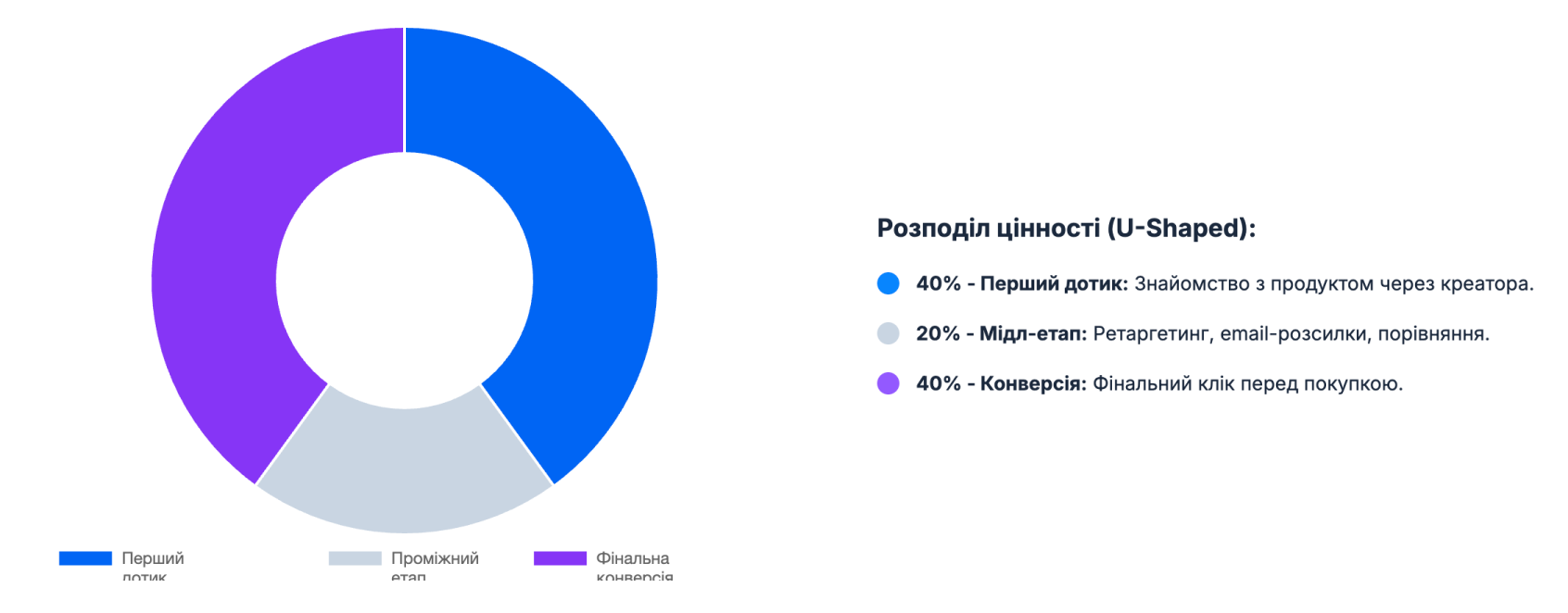
It is smarter to evaluate the entire customer journey using multi-touch attribution—such as a U-shaped model, which splits the credit between the first and final touchpoints. Additionally, track indirect signals: growth in branded search queries, post saves, and promocode usage. Together, they show the real picture better than any single figure.
The Legal Side That Is Often Ignored
In Ukraine, since 2023, promotion for money or any other compensation—including barter or discounts—is considered advertising. This means a "review" in exchange for a sent product is advertising, and the creator is required to label such content with the word "advertising" (реклама). Disclaimers like "partnership" or "PR" are not considered correct labeling. The fine can reach five times the cost of the advertisement, and liability is often shared—affecting both the brand and the blogger. Enforcement is currently reactive, triggered by complaints that often come from competitors.
The second layer is paperwork and taxes. The most transparent way is working with a creator registered as an Individual Entrepreneur (FOP) of the 3rd group (single tax plus military tax): an unregistered fee paid to an individual makes you a tax agent, requiring PIT and SSC withholding. Details can cost you dearly: barter is forbidden for single-tax payers, and when buying advertising from a foreign creator, the Ukrainian client must self-assess a 20% VAT. Separately—content rights: by default, they belong to the creator, so using their video in ads must be explicitly outlined in the contract.
Every case has its nuances that cannot be covered in a single article. This is where having solid support is beneficial—verify your contracts and content rights with the MAS Legal contract support team, who will help structure your partnership to avoid both tax and reputational surprises.

Key Takeaways
Creator marketing has long ceased to be "advertising with bloggers" and has become a fully fledged channel requiring strategy, measurement, and proper legal compliance. A one-off integration provides a spike, while a system ensures a steady stream of content, leads, and trust. Building such a system—from selecting creators for your audience to performance control—is a separate job that is logical to delegate to those who handle it daily: for instance, directly to bloggers advertising placement services by MAS Agency.
Sources: platform engagement data is based on HypeAuditor analytics; whitelisting performance benchmarks—on industry data from Aspire and specialized agency reports; attribution models—on materials from Impact.com; legal and tax regulations—on the Law of Ukraine "On Advertising," clarifications of the State Service of Ukraine for Food Safety and Consumer Protection, and the Tax Code of Ukraine.